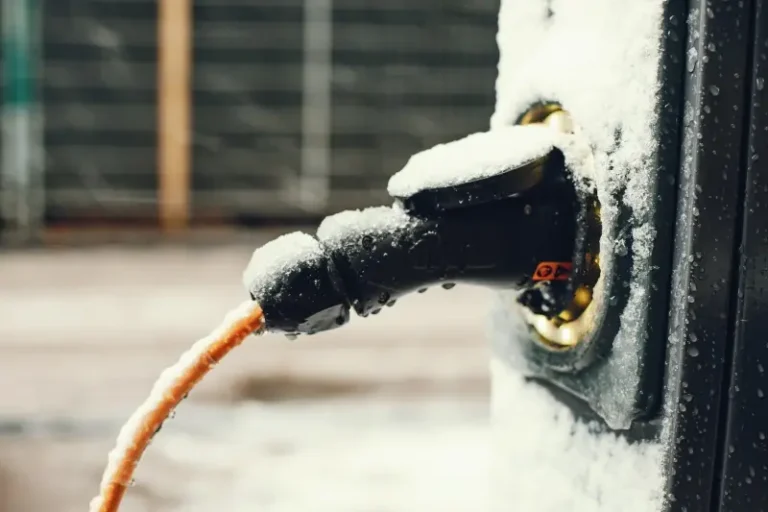
Waterproof electrical connectors are sealed connector families used to carry power, signal, or control circuits in automotive, solar, marine, battery, industrial, and outdoor electrical systems. This guide focuses on connector-family selection, including sealed multi-pin connectors, circular electrical connectors, MC4-style solar connectors, Anderson-style power connectors, Deutsch-style connectors, Weather Pack-style connectors, and related electrical connector formats.
If the project is mainly about wire gauge, cable outer diameter, conductor material, or sheath compatibility, use the waterproof wire connectors guide. If it is about repeated male-female mating, use the waterproof plug connector guide. For the broad waterproof connector and IP-rating overview, start from the waterproof connector types and IP ratings guide.
For waterproof electrical connectors, the correct choice depends on connector family, current and voltage rating, pin count, contact material, cable sealing method, vibration, corrosion, UV exposure, mating condition, and available datasheet or test report. Do not choose by IP rating, brand name, or product photo alone.
What is a waterproof electrical connector?
Waterproof electrical connector is a sealed electromechanical device that prevents water, dust, corrosive substances and other pollutants from touching electrical contacts while maintaining reliable electrical connections. Different from standard connectors that rely on simple plastic casings, waterproof models usually integrate one or more of the following sealing mechanisms:
- O-ring seal – compresses the rubber ring to form a waterproof interface between the two butt-jointed bodies
- Silicone gasket – a flexible planar seal around the connector body
- Cable seal (Wire seal / grommet) – a separate silicone plug-in for each cable inlet to ensure sealing at the inlet
- Potting compound – epoxy resin or polyurethane resin injected into the connector body to completely encapsulate the contacts
- The Bayonet or Screw locking – mechanical coupling method maintains the sealing pressure continuously in the vibration environment
Because a true waterproof connector must seal at three points simultaneously — the mating face, the cable entry, and the connector body — an IP68 rating depends on total system integrity, not a single gasket. Because no single mechanism covers every failure mode, most waterproof connectors combine several: O-ring interface seals, per-cable wire seals, potting compound, and a bayonet or threaded lock that maintains sealing pressure under vibration.
For the full waterproof connector overview and IP-rating fundamentals, start with our waterproof connector types & IP ratings guide.
Read the IP Level of Waterproof Connectors
Because the full IP rating system (IP54 through IP69K, IEC 60529) is covered in depth in our waterproof connector types & IP ratings guide, here’s the quick reference for selecting an electrical connector:
| IP Rating | Water Protection Level | Typical Use Case |
|---|---|---|
| IP54 | Splash from any direction | Outdoor enclosures, HVAC |
| IP65 | Low-pressure water jets | Outdoor LED fixtures, machinery |
| IP67 | Immersion up to 1 m for 30 min | Automotive underbody, marine deck |
| IP68 | Continuous immersion beyond 1 m (manufacturer-specified) | Submersible pumps, underwater sensors |
| IP69K | High-pressure, high-temperature jets (80°C, 80–100 bar) | Food processing, agricultural equipment |
Key Tip
Because IP67 tests static immersion while IP69K tests high-pressure jets, an IP68 connector can still fail under a pressure washer — always match the rating to the actual pressure, not just the environment.
For outdoor and marine electrical connector applications, IP67 is often used as a practical minimum target when temporary water exposure is possible. For repeated immersion, bilge exposure, subsea use, or pressure-related environments, require a product-specific IP68 test condition or a dedicated marine/subsea connector datasheet instead of relying on the IP number alone.
Types of Waterproof Electrical Connectors
The connector families below are common directions for sealed electrical systems. They are not universal product recommendations. Always confirm the exact connector series, datasheet rating, cable fit, mating condition, seal design, and test report before production use.
Type 1: Circular Waterproof Electrical Connectors
Circular waterproof electrical connectors are used when the project needs a compact, round, sealed interface for power, signal, or control wiring. They are common in industrial equipment, outdoor instruments, automation wiring, machinery, and panel-mounted electrical interfaces.
- Best for: sealed multi-pin power, signal, sensor, control, or panel-mounted electrical connections.
- Check first: shell size, pin count, current and voltage rating, cable OD, contact material, locking method, mated IP rating, and whether a cap is required when unplugged.
- Do not assume: all circular connectors are interchangeable. Similar-looking M-series, aviation-style, or industrial circular connectors may not mate or seal correctly across series.
For Verchil circular product options, see the waterproof aviation connector.
Type 2: Deutsch-Style Sealed Connectors
Deutsch-style sealed connectors are commonly used in vehicles, heavy equipment, agricultural machinery, off-road systems, and harness applications where vibration, mud, moisture, and service access must be considered.
- Do not assume: every Deutsch-style connector has the same rating, material, contact system, or environmental performance. Confirm the exact series and datasheet.
- Best for: automotive-style harnesses, heavy equipment wiring, off-road accessories, and sealed multi-pin cable assemblies.
- Check first: pin count, contact size, wire seal, wedge-lock or secondary-lock design, cable movement, current load, and chemical exposure.
Type 3: Anderson-Style Power Connectors
Anderson-style power connectors are used in battery, energy storage, DC power, charging, and portable equipment systems where high-current connection and serviceability may be required. Waterproof performance depends on the exact connector body, boot, cover, housing, and assembled condition.
- Best for: battery systems, portable power equipment, charging interfaces, energy storage, and DC accessory power connections.
- Check first: current rating, voltage rating, contact size, cable size, polarity, housing, protective cover, boot kit, and whether the final assembly has a tested IP rating.
- Do not assume: a standard power connector becomes waterproof unless the correct sealed housing, cover, or boot is specified and assembled correctly.
For the plug-and-socket mating formats behind Anderson-style and similar genderless couplers, see the waterproof plug connector guide.
Type 4: MC4-Style Solar Connectors
MC4-style connectors are used in photovoltaic and solar DC wiring systems. Selection should be based on cable type, polarity, connector compatibility, voltage and current rating, UV exposure, field assembly method, and the equipment datasheet.
- Do not assume: MC4-style connectors from different suppliers are automatically compatible. Mixing connector families can cause poor mating, overheating, or sealing failure.
- Best for: solar PV wiring, solar accessories, off-grid DC systems, and equipment designed around compatible solar connector families.
- Check first: cable type, polarity, crimp contact, assembly tool, connector compatibility, UV exposure, current and voltage rating, and certification requirements.
Type 5: Weather Pack / Metri-Pack-Style Sealed Connectors
Weather Pack-style and Metri-Pack-style sealed connectors are used in vehicle, equipment, trailer, accessory, and outdoor electrical harness applications. They are selected around wire size, cavity count, terminal type, seal design, and service environment.
- Do not assume: all automotive sealed connectors have the same contact system or seal geometry. Confirm the exact product family before replacement or production use.
- Best for: sealed vehicle harnesses, accessory wiring, trailer lighting, outdoor equipment, and serviceable electrical connections.
- Check first: cavity count, terminal size, wire seal, housing material, locking tab, cable movement, current load, and exposure to oil, mud, or water.
Routing Note: Heat-Shrink and Sealed Butt Electrical Joints
Heat-shrink and sealed butt connectors are fixed wire-to-wire electrical joints, not reusable connector families. Keep this section as a routing note only: for wire-gauge, conductor, jacket, and seal-fit selection, see the waterproof wire connectors guide; for outdoor direct-burial or wet-location butt joints, see the outdoor waterproof wire connectors guide.
Type 7: Marine / Subsea / Harsh-Environment Electrical Connectors
Marine, subsea, and harsh-environment electrical connectors are used where salt spray, immersion risk, corrosion, vibration, pressure, UV exposure, and long-term sealing are critical design factors. These connectors should never be selected by IP rating alone.
- Do not assume: IP68 alone proves marine or subsea suitability. Corrosion resistance, material compatibility, and test condition matter as much as the IP number.
- Best for: marine equipment, offshore devices, wet-location electrical assemblies, exposed outdoor equipment, and harsh-environment cable systems.
- Check first: housing material, contact plating, gasket material, cable jacket compatibility, salt-spray exposure, immersion condition, pressure condition, and available test reports.
Waterproof Electrical Cord Connector Routing Guide
The term waterproof electrical cord connector can refer to different connector directions depending on whether the project needs a reusable plug, a sealed wire joint, a panel interface, a temporary extension-cord protector, or a direct-burial outdoor splice. Use the table below to route the application before choosing a specific connector family.
| Application need | Better connector direction | Go deeper |
|---|---|---|
| Reusable cord-to-equipment connection | Waterproof plug connector or circular connector | Waterproof plug connector guide |
| Panel-mounted power, signal, or control interface | Circular waterproof connector / aviation connector | Waterproof aviation connector |
| Wire-to-wire cord repair or pigtail joint | Waterproof wire connector | Waterproof wire connectors guide |
| Outdoor landscape, irrigation, or buried low-voltage cord joint | Outdoor waterproof wire connector | Outdoor waterproof wire connectors guide |
| Enclosed wet-location splice or IP68-style repair joint | Waterproof splice connector | Waterproof splice connectors IP68 guide |
| Temporary outdoor extension-cord protection | Protective cord enclosure or weatherproof cover | Waterproof plug connector guide |
Note on Outdoor Extension-Cord Joints
A temporary outdoor extension-cord joint is different from a permanent waterproof electrical connector. If an existing plug-and-socket cord connection must be used outdoors, confirm the protective enclosure, cover, cable exit, and water exposure condition. For permanent outdoor wiring, route the project to a proper waterproof plug connector, sealed wire connector, cable gland, or enclosed splice connector instead of relying on a temporary cord cover.
How to Choose Waterproof Electrical Connectors
Choosing a waterproof electrical connector is a connector-family decision first, then an electrical and environmental verification task. Do not choose by IP rating, brand name, or connector appearance alone.
| Selection step | What to confirm | Why it matters |
|---|---|---|
| Connector family | Confirm whether the application needs an automotive sealed connector, solar connector, high-current DC connector, circular electrical connector, marine connector, industrial connector, wire connector, plug connector, or splice connector. | Different families solve different electrical, sealing, locking, and serviceability problems. |
| Electrical rating | Check current rating, voltage rating, contact size, temperature rise, signal type, shielding, and applicable project standard from the datasheet. | Electrical mismatch can cause overheating, voltage drop, signal loss, or contact failure. |
| Pin count and layout | Confirm pin count, polarity, keying, coding, gender, contact layout, and wiring map before selection. | Wrong pin layout or polarity can damage equipment or make the connector incompatible. |
| Cable and seal fit | Check wire gauge, cable outer diameter, jacket material, rear seal range, boot, grommet, and strain relief. | Many waterproof connector failures start at the cable entry rather than the mating face. |
| IP rating condition | Confirm whether the IP rating applies when the connector is mated, capped, panel-mounted, potted, or fully assembled. | A connector may not stay waterproof in every state. |
| Environment | Review vibration, UV exposure, salt spray, oil, fuel, fertilizer, washdown, mud, heat, cold, and outdoor exposure. | Material and seal compatibility may matter more than the IP number alone. |
| Mating and maintenance | Confirm whether the connector will be frequently mated, permanently assembled, panel-mounted, capped, or exposed while unplugged. | Some connectors are designed for repeated service, while others are fixed or one-time sealed joints. |
| Evidence | Ask for datasheet, compatibility notes, certification, and test condition before production use. | This avoids relying on generic waterproof or brand claims. |
Where Waterproof Electrical Connectors Are Used
The examples below show common electrical connector-family directions. They are not universal product recommendations. Always confirm connector series, ratings, material, sealing condition, and test evidence before production use.
Automotive and Heavy Equipment
Automotive and heavy-equipment wiring often involves vibration, mud, temperature change, road spray, oil, fuel, and service access. Deutsch-style, Weather Pack-style, sealed multi-pin, or circular connector families may be suitable depending on current, pin count, locking method, and cable sealing requirement.
Solar and Off-Grid DC Systems
Solar and off-grid systems require attention to polarity, DC current, UV exposure, cable type, connector compatibility, and maintenance access. MC4-style, Anderson-style, or sealed circular electrical connectors may be used in different parts of the system, but the final choice should follow the equipment datasheet and project standard.
Marine Electrical Systems
Marine applications add salt spray, corrosion, vibration, moisture, UV exposure, and cable movement. Do not choose by IP rating alone. Confirm housing material, contact plating, gasket material, conductor material, cable jacket compatibility, and available test reports before use.
Industrial and Outdoor Equipment
Industrial and outdoor equipment may require circular connectors, sealed power connectors, sensor connectors, or panel-mounted interfaces. Confirm current, voltage, shielding, pin layout, locking method, vibration, washdown, and mated or unmated sealing condition before selection.
Battery, Portable Power, and DC Accessories
Battery and portable power systems should be checked by current load, voltage, polarity protection, cable size, strain relief, and serviceability. For broader low-voltage DC routing, see the waterproof 12V connector guide.
Temporary Outdoor Power and Stage Equipment
Temporary outdoor power, stage lighting, and event equipment may require fast setup, locking connection, serviceability, and cable protection. For reusable plug-style connections, see the waterproof plug connector guide; for locking power connectors, see PowerCon waterproof connectors.
Installation and Failure Checks
A waterproof electrical connector can fail even when the product family is correct. Most failures come from cable-entry mismatch, incomplete mating, poor contact termination, wrong material pairing, or using the connector outside its tested condition.
| Check point | Common failure | How to reduce the risk |
|---|---|---|
| Cable outer diameter | The rear seal does not compress evenly around the cable jacket. | Confirm cable OD and seal range from the datasheet before assembly. |
| Wire gauge and terminal fit | Loose crimp, high resistance, or heat generation under load. | Use the specified terminal, crimp tool, die profile, and inspection method. |
| Mating condition | The connector is not fully locked, or the gasket is not compressed. | Check locking position, latch engagement, thread coupling, or bayonet alignment. |
| Unmated exposure | A receptacle or plug end is exposed while disconnected. | Specify dust caps, sealing caps, or a connector design with verified unmated protection. |
| Material compatibility | Corrosion, gasket swelling, UV aging, or chemical attack. | Confirm housing, contact plating, gasket material, and cable jacket compatibility. |
| Vibration and strain relief | Contact fretting, cable seal cracking, or conductor fatigue. | Use proper strain relief, cable routing, locking structure, and vibration-rated design where required. |
Connector Family Notes Before Replacement
Different waterproof electrical connector families may look similar but use different housings, contacts, locking structures, seals, crimp tools, and mating geometry. Do not replace one family with another only by appearance, pin count, or IP rating. Confirm the exact series, contact system, cable seal, electrical rating, and compatibility before replacement or production use.
Frequently Asked Questions
What is the difference between IP67 and IP68?
IP67 indicates temporary immersion protection under defined IEC 60529 test conditions, commonly associated with 1 m for 30 minutes. IP68 indicates immersion protection beyond IP67, but the exact water depth, duration, pressure condition, and whether the connector is tested mated or unmated must be specified by the manufacturer. Neither IP67 nor IP68 automatically covers high-pressure washdown; for that environment, check whether the product has an IP69K or equivalent washdown rating in its datasheet.
Can additional sealants be applied to indoor connectors for outdoor occasions?
No. The silica gel or tape applied on site cannot reproduce the geometric accuracy of the engineering design seals, and the cable inlet cannot be protected. Please select a connector with the appropriate IP level from the beginning.
Can waterproof connectors be reused?
Most circular connectors are fully reusable. The heat shrinkable butt connector is for one-time use. For frequently inserted connectors, please refer to the manufacturer’s mating cycle rating.
What are the reasons for the premature failure of waterproof connectors?
The main reasons include: non-conformity of wire diameter (air gap in wire seal), chemical incompatibility (contact of silicone seal with petroleum-based lubricant), UV aging of shell material, and insufficient docking strength (incomplete insertion leads to uncompressed sealing ring of docking surface).
Can waterproof connectors be used for aluminum wires?
Some models can be used, but aluminum wires require specific alloy terminals and anti-oxidant compounds to prevent galvanic corrosion at the crimping tube. Before using the aluminum wire, it is necessary to confirm the material compatibility of the connector.
Which waterproof connector brand should I choose for automotive vs solar?
For automotive and heavy equipment, Deutsch-style or Weather Pack-style sealed connectors are common directions; for solar PV strings, MC4-style connectors are the usual family; for high-current DC and battery work, Anderson-style power connectors may be considered. Because each family is built around a different environment, match the connector family to vibration, UV exposure, current, polarity, cable type, and service access instead of choosing by IP rating alone.
What’s the difference between a waterproof electrical connector and a waterproof connector in general?
They overlap — “waterproof electrical connector” emphasizes the electrical rating and product family (Deutsch, Anderson, Weatherpack), while the general term covers all form factors and the IP system. Because the IP rating framework applies to both, see our waterproof connector types & IP ratings guide for the form-factor overview, and our waterproof wire connectors guide for wire selection.
Conclusion
Because the right waterproof electrical connector must match connector family, IP rating, material, current capacity, and installation method to the application, choosing one is far more than finding the cheapest IP67 model. Whether you need a Deutsch DT for an agricultural harness, MC4 for a PV string, or a heat-shrink butt connector for a simple marine splice, use the family guide, selection framework, and IP table above to decide — a good connector outlives the equipment it serves.
Verchil designs and manufactures waterproof electrical connectors and custom sealed assemblies — circular, M12, sealed wire, and high-current configurations, certified to IEC 60529 (IP), UL, and RoHS. Explore Verchil’s waterproof connector range, or see related guides: waterproof connector types & IP ratings, waterproof wire connectors, and waterproof aviation connector. For custom assemblies, contact Verchil’s engineering team.
💡 For in-depth reference, check IEC 60529 for IP ratings and the relevant UL or application-specific standard for the exact connector family, such as UL 2238 for industrial control and signal distribution cable assemblies where applicable.