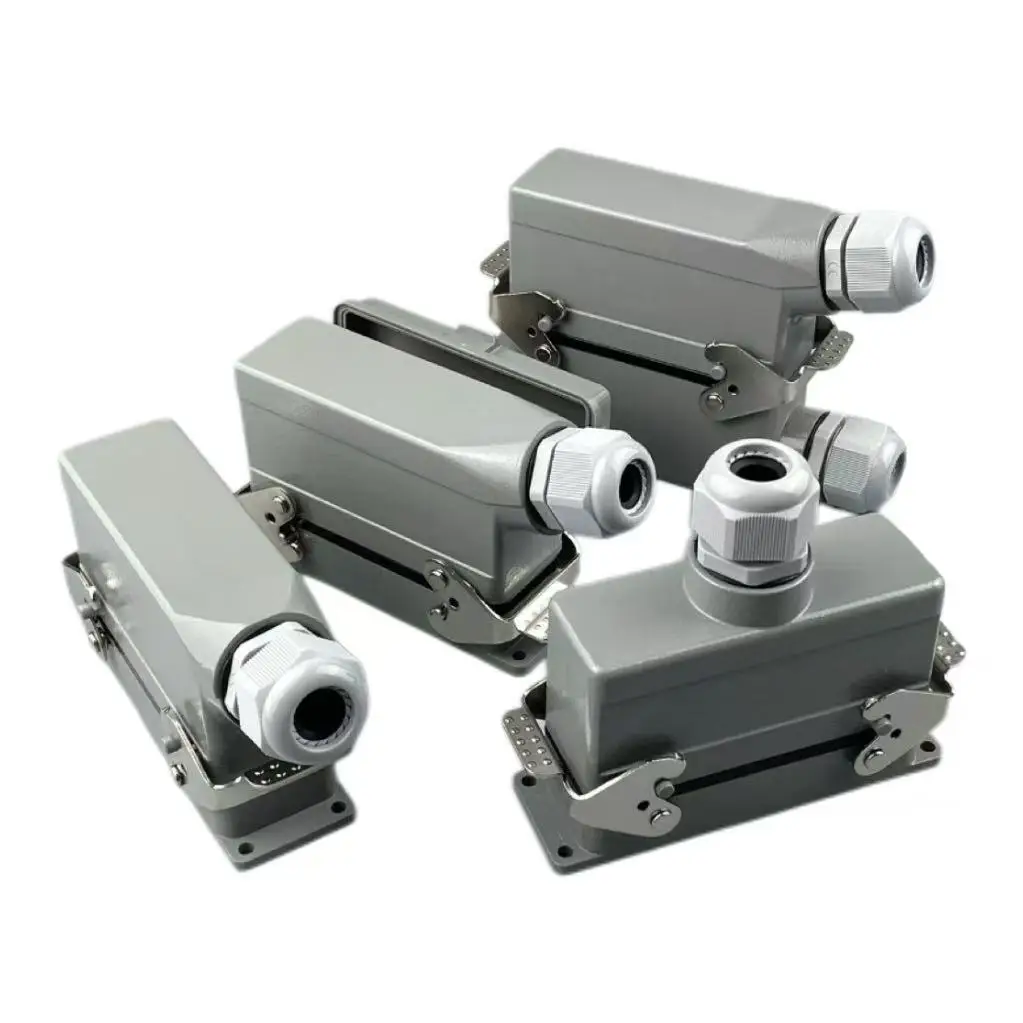
What is a heavy-duty electrical connector?
Heavy-duty electrical connectors are components specifically designed to transmit power, data and signals in the most demanding environments. Unlike household plugs, these connectors have been carefully engineered to withstand harsh physical pressures.
The following are the three core functions of these components:
Protective: They protect sensitive electrical contacts from erosion by water, dust and chemicals.
Reliability: They ensure continuous connection even under severe vibration or mechanical shock.
Safety: They prevent accidental disconnection and protect the operator from high-voltage arc damage.
Why do you need a rugged connector?
Why invest in heavy-duty electrical connectors instead of standard industrial plugs? The answer lies in downtime costs. In a manufacturing plant, even a connection failure can lead to production stagnation, and the loss per minute can be as high as thousands of dollars.
These connectors provide:
Durability: the shell is usually made of die-cast aluminum or zinc, strong resistance to build.
Multifunctionality: The modular plug design allows simultaneous transmission of power, signals, and even gas paths in a single housing.
Long life: Contact materials (usually silver-plated or gold-plated) have extremely strong corrosion resistance.
Top 7 Selections of Heavy Duty Electrical Connectors for Industrial Use
When selecting a connector, you need to match the specifications to your application environment. Here are the top categories and functions you should pay attention to.
1. Rectangular Modular Connectors
This is the industry standard in robotics and automation. They allow you to mix and match modules to combine high current power supplies and sensitive fiber data transmission in a single heavy-duty electrical connector housing.
2. Circular Mil-Spec Connectors
This cylindrical connector was originally designed for military use and is very suitable for applications that require strong thread coupling. They are commonly used in aerospace and heavy construction vehicles.
3. High-Current Single Pole Connectors
Unipolar connectors are essential for applications that require the transmission of huge amounts of power (such as generators or mining equipment). They use ‘Finger-proof’ design to maximize safety and prevent electric shock.
4. IP69K Washdown Connectors
In the food and beverage industry, equipment requires high-pressure flushing every day. The IP69K connector can prevent water inflow even under high temperature and high pressure water jet.
5. Hazardous Area Connectors
Designed for oil and gas refineries, these explosion-proof connectors control any spark inside the enclosure to prevent ignition of volatile gases in the atmosphere.
6. Battery Storage Connectors
With the rise of renewable energy, heavy-duty electrical connectors specifically for battery energy storage systems (BESS) have emerged, focusing on high voltage carrying capacity and fast plug-and-pull cycles.
7. Railway Standard Connectors
These connectors must comply with strict fire and smoke safety standards (e.g.EN 45545). They are manufactured to withstand the continuous impact and vibration of moving trains.
How to choose the right connector
Choosing the right component requires analyzing your specific environmental constraints. Please use the following criteria to guide your decision.
Understanding IP protection level
IP (Ingress Protection) level is the most critical factor of environmental seal.
| IP Rating Specification Table | |||
|---|---|---|---|
| IP Rating | Dust Protection | Water Protection | Ideal Use Case |
| IP44 | >1mm solids | Splashing water | Indoor machinery |
| IP65 | Dust tight | Low-pressure jets | General outdoor use |
| IP67 | Dust tight | Immersion (1m) | Marine/Flood prone |
| IP69K | Dust tight | High-pressure steam | Food processing |
Lock-in mechanism
Single Lever: Fast operation, suitable for frequent maintenance scenarios.
Double Lever: Provide more balanced pressure on the sealing washer, and the sealing effect is better.
Screw Locking: The most anti-vibration option, usually for round connectors.

Installation and maintenance skills
Even the best heavy-duty electrical connectors will fail if installed improperly.
1. Correct Cable Glanding
Ensure that the cable joint (Glanhead) matches your cable diameter exactly. Loose joints will destroy the IP level, causing water to penetrate directly into the inside of the shell.
2. Crimp Contacts vs. Screw terminals
Screw Terminals: On-site installation is simple, only need a screwdriver.
Crimp Contacts: special tools are needed, but they can provide ‘airtight’ connections and have better performance in high vibration environments.
3. Strain Relief
Be sure to fix the cable shortly after it leaves the connector. This prevents the weight of the cable from pulling the internal contacts.
What is the difference between IP65 and IP67?
IP65 prevents low-pressure water jets, while IP67 allows temporary immersion in water. For marine or ship applications, be sure to choose IP67 or higher.
Can I mix different brands of heavy-duty electrical connectors?
Although many manufacturers follow the same size standards (such as the ‘Han’ standard), it is generally recommended that the housing, base and plug are of the same brand to ensure the effectiveness of the IP protection rating.
How often should I check the connector?
In high vibration environment, it is recommended to check the locking buckle and cable joint every 6 months. Check whether there are signs of corrosion or loose accessories.